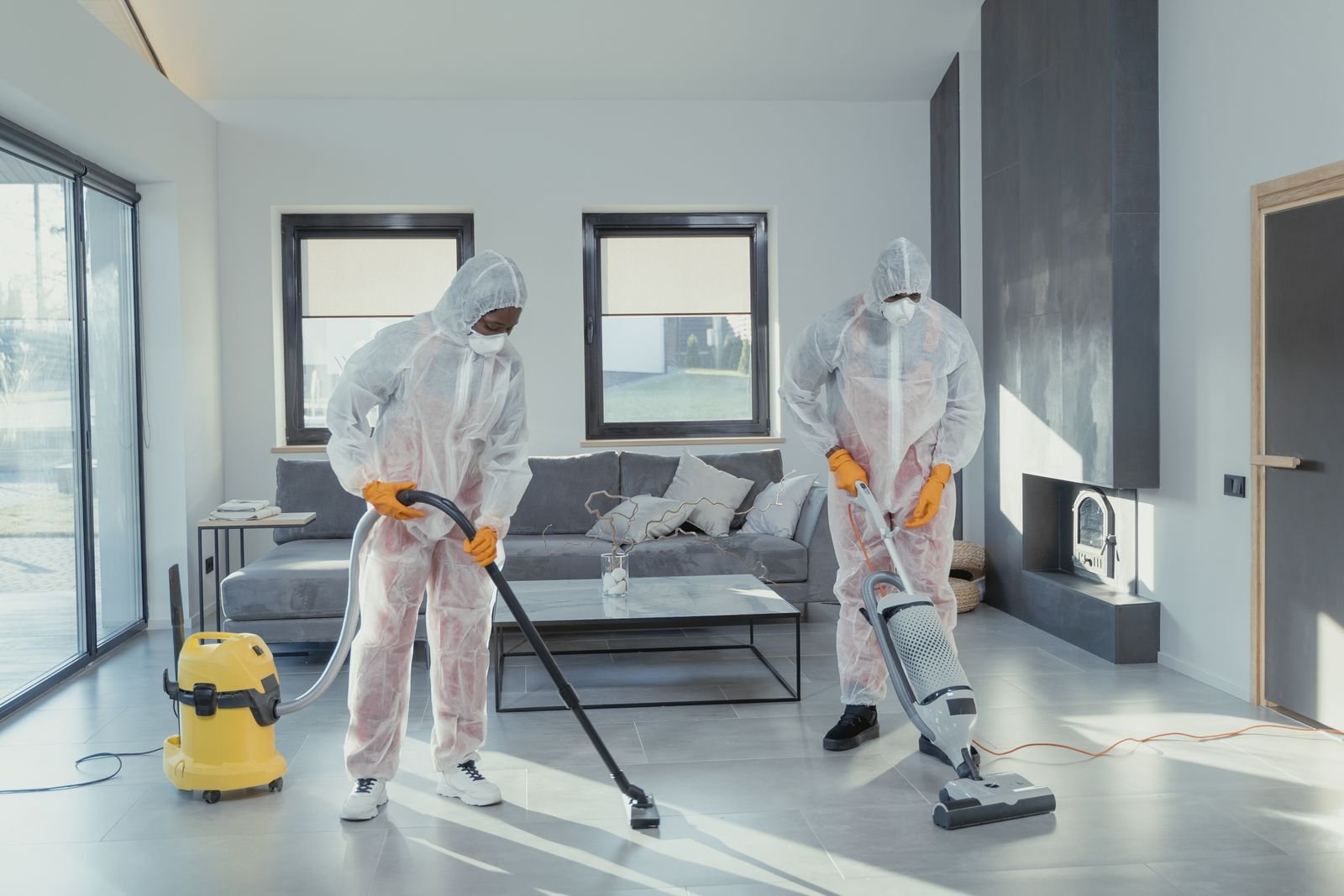
Mold Removal in Downtown Gresham, OR
Seeing dark spotting spread on a wall, smelling that musty earthy odor that will not clear, or cleaning up after a leak in an apartment, condo, or storefront in the Historic Central City core around N Main Avenue? Gresham Mold Removal is the local crew that comes to you, finds the moisture feeding the mold, seals and contains the area, and removes the growth to an IICRC S520-aligned standard. Book mold removal across Downtown / Historic Gresham today, inside ZIP 97030.
Who Removes Mold in Downtown Gresham?
We do, and this is the page to book it. Gresham Mold Removal is a Gresham-based, come-to-you specialist, and downtown — the Historic Central City district around North Main Avenue between Powell Boulevard and Division Street, inside ZIP 97030 — is squarely inside our service area. We focus on one thing: finding mold, removing it, and stopping it from coming back by correcting the moisture that caused it. That focus is the point. The inspection is sharper, the removal follows the recognized IICRC S520 standard, and the water source behind the problem becomes part of the fix rather than an afterthought. Downtown is the densest mix of housing and commerce in the city, and we treat the full range here: the walk-up apartments and condos above and beside the storefronts, the older single-family homes on the surrounding streets, and the ground-floor retail and office spaces along Main Avenue.
If you have already seen the signs — a stain spreading on a ceiling, fuzzy growth along a baseboard, or a musty smell that returns no matter how often you air the place out — there is no reason to wait, because mold can begin spreading within 24 to 48 hours of a leak. Call (713) 325-6192 and we will confirm it, find the source, and build a removal plan. For the wider district overview, the mold removal across Downtown / Historic Gresham guide grounds the area in detail, and you can step up to mold removal in Gresham, OR for the citywide picture. If you would rather pin down a hidden problem first, a professional mold inspection is the right starting point. Whatever your downtown address, the process is the same: confirm the mold, fix the water, remove the growth under containment, and verify the space is clean.
How Fast Can You Come Downtown (97030)?
Quickly — the downtown core is the easiest part of our service area to reach, because we are a Gresham-based service-area business rather than a company driving in from across the metro. Reaching an address near N Main Avenue, City Hall, Gresham Station, or any of the four MAX Blue Line stations is a short local trip, which is what makes same-day assessments possible for urgent water-damage cases, depending on the day's schedule. As a service-area company we come to you and there is nothing for you to bring to us — you do not need a published street address on our end, just yours. In a dense district where units share walls, a fast first visit is what keeps a single-unit problem from migrating into the apartment next door.
Speed matters because mold runs on a moisture timer. Once a pipe drips, a roof leaks, or winter humidity condenses inside a tight older unit, spores that are always floating in the air find that damp surface and colonize it within a day or two, and every extra day widens the affected area that has to be removed. The moment you spot the signs, call (713) 325-6192, tell us your block and what you are seeing, and we will give you the soonest slot. We confirm the situation on arrival rather than guessing over the phone, so the containment and removal plan is built for your actual unit, storefront, or home.
How We Remove Mold Downtown
Every downtown job starts with a real inspection. A technician confirms the mold, identifies the moisture feeding it, and maps how far it has spread before recommending anything — because removing mold without correcting the water just lets it grow back on the same schedule. In a mixed-use or apartment building the inspection also weighs the neighboring units and the shared wall between them, since mold and the moisture behind it can migrate through party walls, plumbing chases, and outlet boxes; clearing one unit while the one next door stays damp is exactly how the problem returns. The EPA's guidance frames the scope: a patch under about ten square feet is often a reasonable do-it-yourself job, but anything larger, anything tied to serious water damage, or anything inside an HVAC system calls for a professional and proper containment.
From there the work follows the IICRC S520 sequence. We seal the work area and run HEPA filtration under negative air pressure so spores cannot drift into the shared wall, the common hallway, or an adjoining tenant — in an older downtown building with party walls, this containment step is the single part that protects your neighbors, and it is the difference between a contained professional job and a wipe-and-pray that spreads a one-room problem through the whole building. Inside the containment we physically remove the mold and the porous materials it has grown into, since saturated drywall and insulation cannot be reliably cleaned. Then we dry the structure, treat the surfaces, and verify the area is clean and the moisture is corrected before closing the job. For occupied units and storefronts we stage the work to keep disruption low and the rest of the building usable. The full IICRC S520 mold remediation page walks through each step, and you get a clear plan and price before any work begins.
Downtown Gresham Landmarks We Serve
The downtown district takes in the city's densest cluster of transit, shopping, and civic landmarks. Book mold removal for the apartments, condos, homes, and businesses around each.
Gresham Station
Mold removal for homes, condos, and retail near the shopping center at 649 NW 12th St, beside City Hall. ZIP 97030.
Main City Park
Mold removal for homes near the 21.6-acre park at 219 S Main Ave on the Springwater Trail. ZIP 97030.
Civic Drive Station
Mold removal for transit-adjacent apartments near the MAX Blue Line stop at 1413 NW Civic Dr. ZIP 97030.
Gresham City Hall Station
Mold removal near the Blue Line stop at 1297 NE Eastman Pkwy, beside City Hall. ZIP 97030.
Gresham Central Transit Center
Mold removal near the Blue Line and bus hub at 350 NE 8th St — the district's busiest interchange. ZIP 97030.
Cleveland Avenue Station
Mold removal near the eastern Blue Line terminus at 1200 NE 8th Ave and its park-and-ride. ZIP 97030.
Division Street
Mold removal for homes and storefronts along the corridor forming the north edge of the core. ZIP 97030.
Eastman Parkway
Mold removal along the arterial running past City Hall and Gresham Station. ZIP 97030.
Gresham High School
Mold removal for homes near the school at 1484 NW Civic Dr and the Civic Neighborhood streets. ZIP 97030.
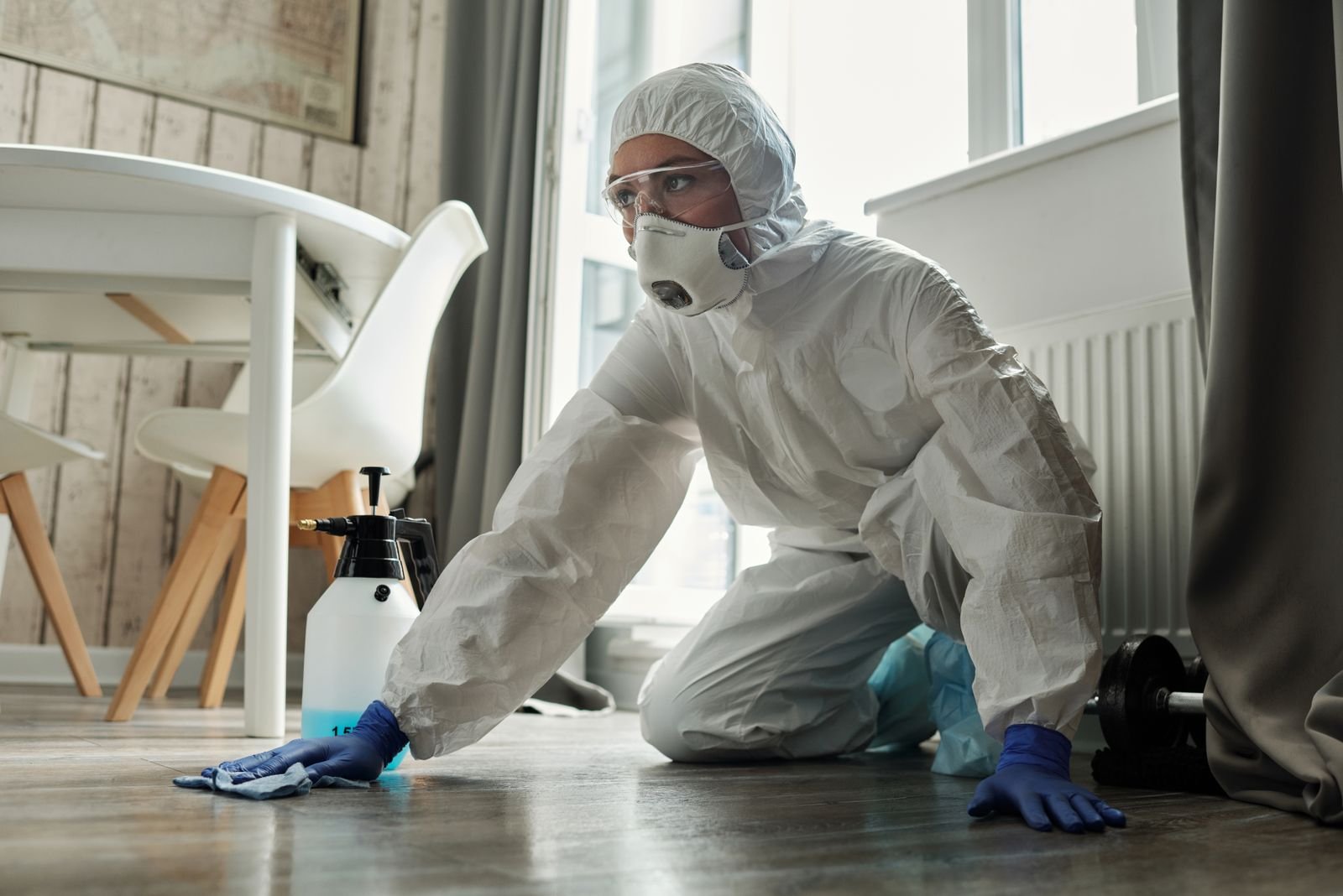
How We Contain Mold in Occupied Downtown Units
Downtown is mostly apartments, condos, and small commercial space above and beside the storefronts, so containment-first work is the bulk of what we do here. When mold is disturbed without containment in a connected building, spores ride through shared walls and chases into the unit next door. A sealed, negative-pressure work area keeps the problem where it is, and a verified clearance confirms the space is clean and dry before we close it back up — so you stay in the rest of your home or keep the storefront open while we work.
- HEPA filtration and negative air on every job
- The moisture source found and corrected, not just the stain
- Staged to keep tenants, neighbors, and retail undisturbed
What Does Mold Removal Cost Downtown?
The honest answer is that it depends on the affected square footage and how easy the mold is to reach, and we will not pretend to a flat price over the phone. The EPA draws a useful line: a contained patch under about ten square feet is often a reasonable do-it-yourself job, while anything larger, anything tied to serious water damage, or anything hiding inside an HVAC system calls for a professional. Downtown adds one wrinkle — because so much of the core is connected apartments and condos, the real scope sometimes spans a shared wall cavity rather than a single open room, and removing mold from inside a party wall is more involved than wiping it off a visible surface. A small in-unit patch sits at the low end; a multi-unit job that needs containment across more than one apartment, or a removal tied to a roof or plumbing leak with hidden damage, sits higher.
What we can promise is a clear scope before any work begins. An on-site inspection — or a standalone professional mold inspection when you want to confirm a hidden problem first — pins down the affected area, the moisture source, and whether the job is one unit or several, and you get a plain plan and price with no surprise add-ons. Whether it is a single apartment off Main Avenue, a condo near Gresham Station, or a storefront unit along Division, call (713) 325-6192 for a downtown-specific quote.
Why Older Mixed-Use Downtown Buildings Grow Mold Faster
The Historic Central City core is full of older mixed-use stock — storefronts with units above, walk-up apartments, and condos sharing walls, parapets, and plumbing — and that construction traps water in ways a newer detached house does not. Single-pane windows sweat with condensation through the cold months. Aging plumbing between stacked units means a drip on an upper floor can surface two units away. Flat and low-slope roofs over mixed-use buildings fail differently than a pitched residential roof: a clogged drain, a cracked parapet, or a tired membrane lets water pond and seep in slowly, often above a ceiling where no one notices for weeks. HVAC systems that cool these spaces produce condensation at the air handlers and along condensate lines, and an overflowing pan or clogged line feeds mold above the drop ceiling.
Then there is the climate. The Pacific Northwest runs roughly eight months of cool, wet weather, and that long rainy season keeps outdoor humidity high and pushes indoor relative humidity higher than people realize — especially inside tight older downtown units where moisture concentrates fast with little wall ventilation to carry it off. None of it is exotic. It all traces back to water sitting somewhere it should not, which is exactly what an honest mold job has to find and correct before the removal will hold. That is also why, in an Oregon rental, the landlord is generally responsible for maintaining habitable conditions and fixing the moisture source while tenants should report leaks and ventilate — this is general information, not legal advice. Either the landlord, property manager, or tenant can call us; we document the affected area and the moisture source so whoever is responsible has a clear record, and we suggest you put the request in writing as well.
One Local Team Across the Core
From the mold removal near Gresham Station blocks and mold removal near Main City Park to the four MAX Blue Line stops, it is the same Gresham-based crew across the whole core — a short local trip, not a cross-metro drive, with same-day assessments available for urgent water-damage cases. Step up to mold removal across Downtown / Historic Gresham for the district view, or read how we work at mold removal in Gresham, OR.
Call (713) 325-6192Downtown Gresham Mold Removal Questions
Straight answers for the downtown core.
Book Mold Removal in Downtown Gresham.
Local inspection, the moisture source found, an IICRC S520-aligned removal under containment, and verified clearance — for apartments, condos, homes, and businesses across Downtown Gresham, ZIP 97030. Licensed, bonded, and insured. Tell us what you are seeing and we will take it from there.
(713) 325-6192Downtown / Historic Gresham mold guide