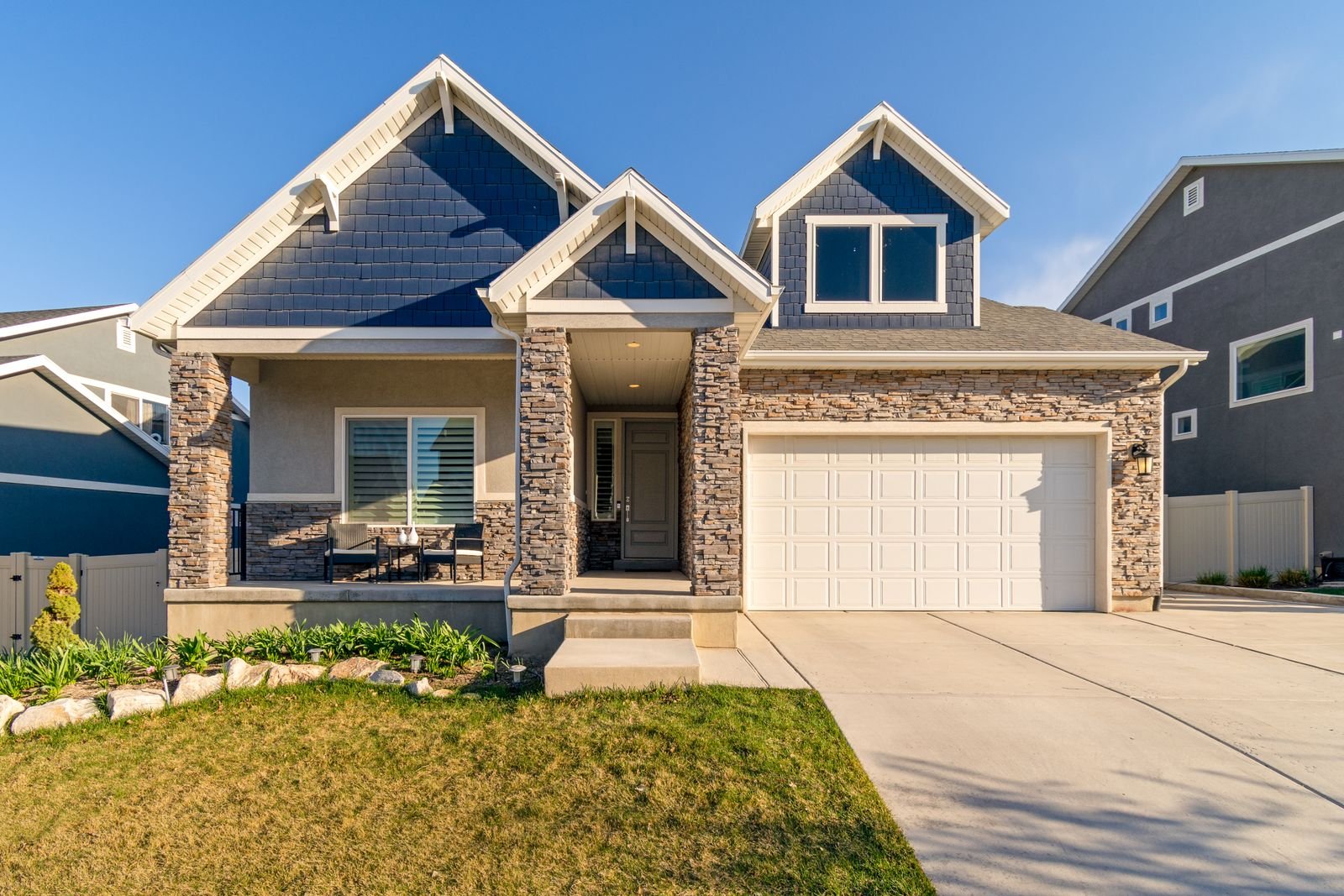
Mold Removal in Southeast Gresham, OR
Smelling a musty, earthy odor in a back bedroom, spotting a dark stain creeping across a ceiling after the rain, or worried about what is growing in a damp crawl space? Gresham Mold Removal is the local crew that inspects, finds the moisture feeding the mold, contains the area, and removes the growth to an IICRC S520-aligned standard. We serve homes across the Southeast Gresham quadrant inside ZIP 97080, including the larger and more established lots toward the city's southeastern edge.
Yes — We Treat Mold in Southeast Gresham
If your home sits in the Southeast Gresham quadrant — the SE corner of the city inside ZIP 97080 — you are squarely inside our service area, and we come to you. Gresham Mold Removal is a service-area business that focuses on one thing: finding mold, removing it, and stopping it from coming back by fixing the moisture that caused it. That focus is the point. The inspection is sharper, the removal follows the recognized IICRC S520 standard, and the water source behind the problem becomes part of the fix rather than an afterthought. Southeast Gresham runs to the southeastern edge of the city, where lots tend to be larger and more established, and the single-family homes here come with the kind of generous crawl spaces and older attics that quietly hold winter moisture.
This page is the area hub for the Southeast Gresham quadrant. It grounds the district, explains why the housing stock out here collects moisture, and points you to the most direct next step. When you are ready to book work in this part of the city, head to mold removal in Southeast Gresham, which is the page for scheduling in this quadrant. For the citywide picture you can step up to Gresham mold removal overview, and the full directory of neighborhoods and landmarks lives on our all service areas page. Whatever you are seeing — a stain spreading on a ceiling after a wet stretch, a musty smell that will not clear, or fuzzy growth in the crawl space — call (713) 325-6192 and we will confirm it, find the source, and build a removal plan.
About the Southeast Gresham Quadrant — and Why Moisture Shows Up Here
Southeast Gresham is the SE quadrant of the city, the area that falls inside ZIP 97080 as you move away from the Downtown core toward the city's southeastern edge. It is overwhelmingly single-family residential, and the character changes the farther southeast you go: lots get larger, some neighborhoods are more established, and homes back up against the edge of the developed city rather than sitting shoulder to shoulder in a dense grid. That space is part of what people like about living out here, and it also shapes the way moisture behaves in these houses. A bigger lot often means a bigger crawl space underneath the floor, and an established home often means an older attic and an older roof overhead — two of the most common places water hides before anyone notices a mold problem.
The Pacific Northwest climate is the other half of the story. Gresham sits through a long, cool, wet season — roughly eight months when rain keeps outdoor humidity high and pushes indoor humidity higher than most homeowners realize. In a Southeast Gresham home that plays out in a few predictable ways. Ground vapor rises into the crawl space and condenses on the underside of the floor and the framing. Cold attic sheathing collects condensation when warm, damp indoor air leaks upward. And an aging roof on an edge-of-city lot can develop a slow leak that surfaces as a ceiling stain weeks later. None of it is exotic. It all traces back to water sitting somewhere it should not, in a part of the city where crawl spaces are roomy and roofs and attics have some age on them — which is exactly what an honest mold job has to find.
Southeast Gresham Homes and Moisture
Because the Southeast quadrant does not have a single shopping center or transit stop that defines it the way Downtown does, the mold story here is told house by house rather than block by block. The common thread across 97080 is the building stock itself. Larger crawl spaces are the signature risk in this part of Gresham: more ground area under the floor means more soil giving off vapor, and through the wet winter that vapor condenses on joists, subfloor, and ductwork until a musty smell drifts up into the living space. A torn or missing vapor barrier and blocked or inadequate crawl-space ventilation make it worse, and standing water after a heavy stretch of rain turns a slow problem into a fast one. When the smell in a Southeast Gresham home traces to something low and earthy, the crawl space is usually the first place to look.
Attics are the second recurring source. In an established home, warm and humid indoor air finds its way up through gaps around lights, fans, and the attic hatch, and when it meets cold roof sheathing in winter it condenses — wetting the wood and the insulation enough to grow mold over a season or two, often with no visible leak at all. The third source is the roof itself. Exposed roofs on the city's southeastern edge take the full weather, and an older covering can develop a slow leak that travels along framing before it surfaces as a brown ring on a bedroom or hallway ceiling after the rain. Where any of these has stayed wet long enough, the dark, slimy growth people recognize as black mold — often the species Stachybotrys — can take hold on chronically damp framing and drywall. In every case the rule is the same: the moisture source has to be corrected first, or the mold simply comes back on the same schedule.
How We Remove Mold in Southeast Gresham
Every job in Southeast Gresham starts with a real inspection. A technician confirms the mold, identifies the moisture feeding it, and maps how far it has spread before recommending anything — because removing mold without fixing the water just lets it grow back. On these larger lots that means a disciplined look at the usual suspects: down into the crawl space to check the vapor barrier, ventilation, and any standing water; up into the attic to read the sheathing and insulation for condensation; and along the ceilings and roofline for the slow leak behind a stain. The EPA's guidance frames the scope: a patch under about ten square feet of mold is often a do-it-yourself job, but anything larger, anything tied to serious water damage, or anything inside an HVAC system calls for a professional and proper containment. The EPA and CDC are also clear that there is no safe airborne mold count to chase — the goal is not a number, it is to remove the growth and fix the moisture so it cannot return.
From there the work follows the IICRC S520 sequence. We seal the work area and run HEPA filtration with negative air pressure so spores cannot drift into clean rooms — the single biggest difference between a contained professional job and a wipe-and-pray that spreads a one-room problem through the house. Inside the containment we physically remove the mold and the porous materials it has grown into, since saturated drywall and insulation cannot be reliably cleaned. Then we dry the structure, treat the surfaces, and confirm the area is clean and the moisture is corrected before closing the job. If you want to confirm a hidden problem first, a mold inspection is the right starting point, and for below-floor work the dedicated crawl space mold removal page covers the vapor barrier and ventilation side in full. The wider mold remediation process is the same containment-and-HEPA standard applied to whatever the inspection turns up.
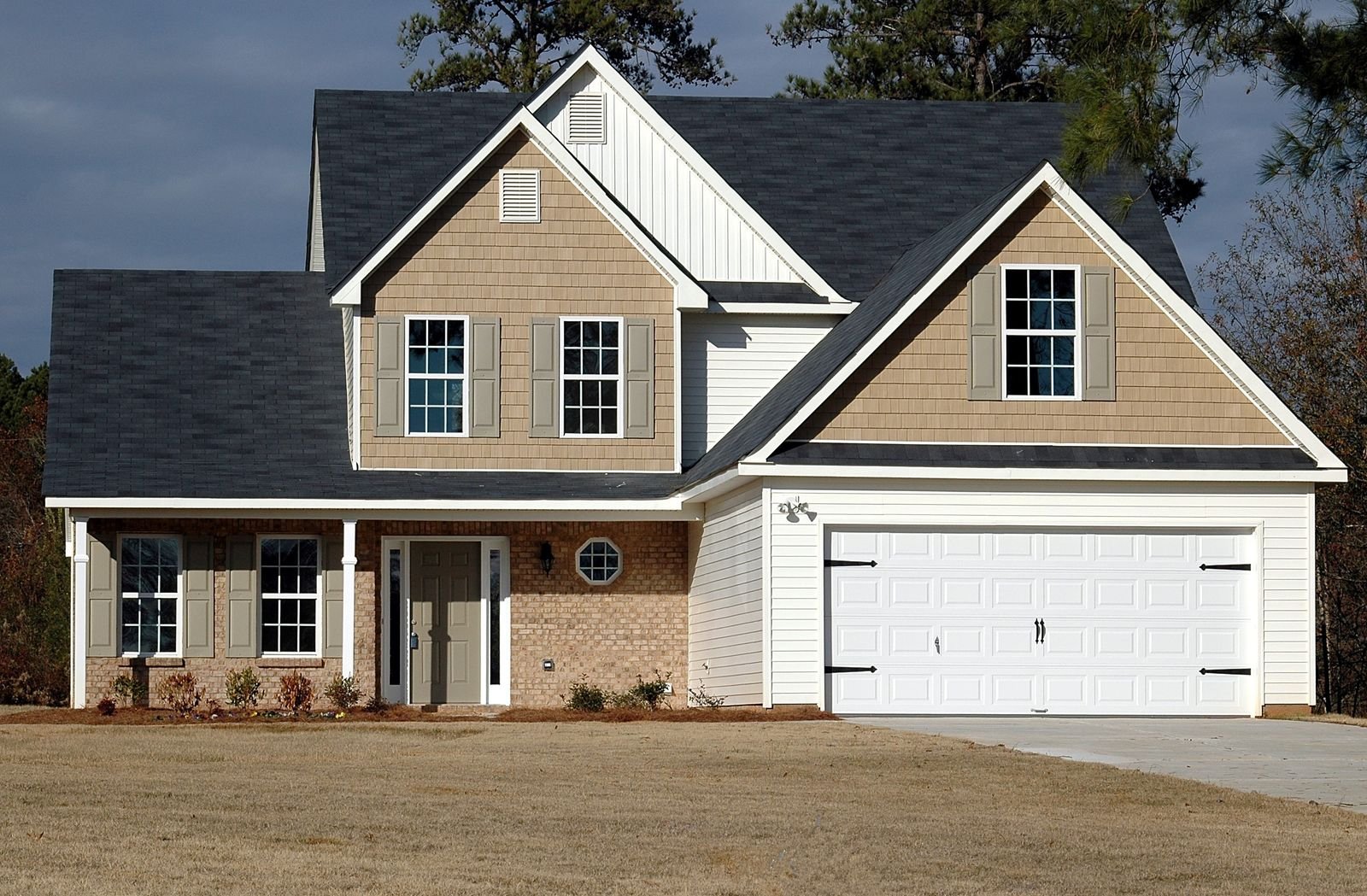
Crawl Space and Attic Are Where We Look First
In a Southeast Gresham home the moisture almost always comes from below the floor or above the ceiling. We control crawl-space vapor with the barrier and ventilation, correct attic or roof condensation, and only then contain and HEPA-clean the mold — so the fix lasts instead of returning next winter.
- HEPA filtration and negative air on every job
- The moisture source found and corrected, not just the stain
- Crawl-space vapor and attic condensation addressed first
One Local Team Across Southeast Gresham
From the more established streets near the Downtown side of the quadrant out to the larger-lot homes on the city's southeastern edge, it is the same Gresham-based crew across all of 97080 — a short local trip, not a cross-metro drive, with same-day assessments available for urgent water-damage cases. Step up to Gresham mold removal overview for the citywide picture, or browse all service areas. You can also read how we work at Gresham Mold Removal.
Mold removal in Southeast GreshamFrequently Asked Questions
Straight answers for the Southeast Gresham quadrant.
Mold in Southeast Gresham? Call Now.
Call Gresham Mold Removal at (713) 325-6192. Local inspection, the crawl-space or attic moisture source found, an IICRC S520-aligned removal, and verified clearance — for homes across the Southeast Gresham quadrant, ZIP 97080. Licensed, bonded, and insured.
(713) 325-6192Mold removal in Southeast Gresham