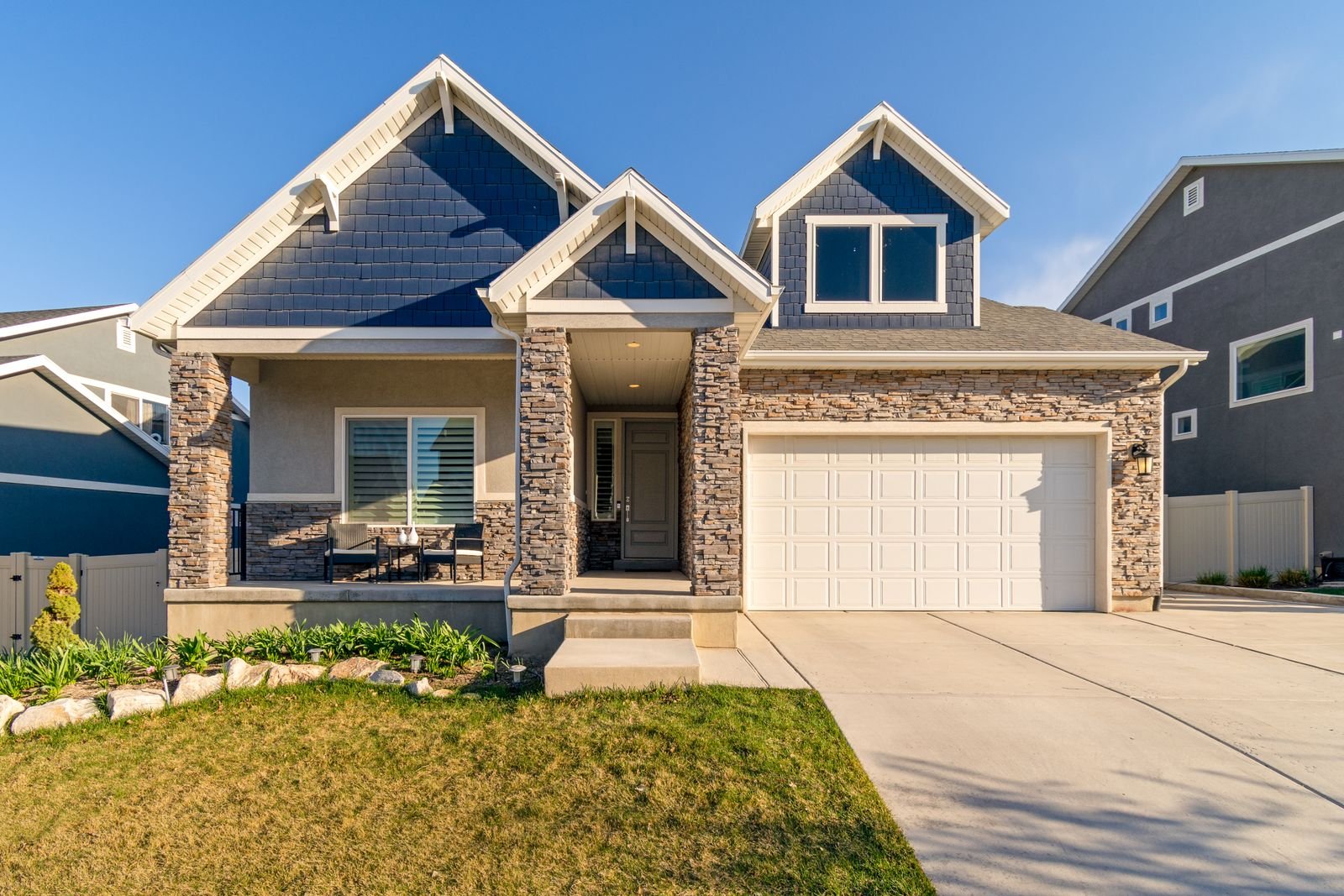
Mold Removal in Kelly Creek, Gresham OR
Living on a creek-adjacent or low-lying lot in Kelly Creek and dealing with a damp crawl space, a musty smell that will not clear, or floor-level mold that keeps coming back? Gresham Mold Removal is the local crew that inspects the problem, finds the ground moisture feeding it, contains the area, and removes the growth to an IICRC S520-aligned standard. We serve homes and rentals throughout this SE Gresham neighborhood inside ZIP 97080.
Yes — We Treat Mold in Kelly Creek
If you live or rent in Kelly Creek — the residential neighborhood in southeast Gresham off SE Palmquist Road, inside ZIP 97080 — you are squarely inside our service area, and we come to you. Kelly Creek is a regular call source for us, and most of those calls start the same way: a crawl space that never seems to dry out, a musty smell drifting up into the living space, or a patch of mold at floor level that wipes away and returns a few weeks later. Gresham Mold Removal is a service-area business that focuses on one thing — finding mold, removing it, and stopping it from coming back by correcting the moisture that caused it. On the kind of creek-adjacent, low-lying ground that defines this part of SE Gresham, that moisture is very often coming from below the floor, which is exactly where our inspection starts.
This page is the area hub for Kelly Creek. It explains where the neighborhood sits, why the ground here keeps homes damp, and what the durable fix actually looks like. When you are ready to book work on your street, head to mold removal in Kelly Creek, which is the page for scheduling. For the wider picture you can step up to Gresham mold removal overview for the citywide view, and the full directory of neighborhoods lives on our all service areas page. You can also read how we work over on our home page. Whatever you are seeing — a stain spreading on a baseboard, air that smells earthy after a wet week, or fuzzy growth where the floor meets the wall — call (713) 325-6192 and we will confirm it, trace the source, and build a removal plan.
About the Kelly Creek Neighborhood — and Why It Holds Moisture
Kelly Creek is an established residential neighborhood in southeast Gresham, set inside ZIP 97080 and home to roughly 9,200 residents. It takes its name from the creek that runs through this corner of the city, and that name tells you a lot about the ground underneath the houses. The area sits on relatively low, creek-adjacent terrain, and parcels closer to the waterway or in the lower folds of the land carry a higher water table than the ridgelines elsewhere in Gresham. For day-to-day life that is barely noticeable. For a house — especially an older one with a vented crawl space rather than a slab — it is the single biggest reason mold tends to recur here.
The housing stock is a mix of mid-century and later single-family homes, many of them built over crawl spaces, alongside newer infill closer to the parks and through-streets. Crawl-space construction is convenient and common, but on damp ground it behaves like a sponge: bare soil under the house releases water vapor continuously, and a vented crawl space pulls in cool, humid Pacific Northwest air that condenses on the cooler framing and ductwork above. That is the local pattern in a sentence — the ground is wet, the crawl space stays damp, and the moisture works its way upward into the home. None of it is exotic. It traces back to water sitting somewhere it should not, which is exactly what an honest mold job has to find before it removes anything.
Why Creek-Adjacent Homes See More Mold
Mold needs three things, and on this kind of lot two of them are always present: organic material to feed on, which any wood-framed home supplies, and moisture, which the ground here delivers for free. Proximity to the creek and the lower-lying contours keep soil moisture and the water table high, so crawl spaces, slab edges, and foundation walls stay damp straight through the long Pacific Northwest wet season. Gresham gets roughly eight months of cool, rainy weather, and through those months outdoor humidity stays high enough that the air itself struggles to dry anything out. Indoors, that pushes humidity higher than most people realize, and the coolest, least-ventilated parts of the house — the crawl space first, then closets and north-facing walls — are where condensation collects and mold takes hold.
The signature source in Kelly Creek is ground vapor rising into a vented crawl space. It rarely announces itself directly; instead it shows up as musty air upstairs and floor-level mold along baseboards and in closets, while the actual growth is thriving on the joists and subfloor below. When a lot has been damp for a long time, that hidden growth can include Stachybotrys — the dark, slow-growing mold people call black mold — on framing that has stayed wet for months. The EPA and CDC are clear on two points that matter here: there is no meaningful "safe" airborne spore count to chase, and the only reliable way to control any indoor mold is to fix the moisture problem feeding it. On a creek-adjacent parcel, that means the durable fix is drying out the crawl space — vapor barrier, drainage, and ventilation — not just cleaning the surface that happens to be visible.
Streets and Landmarks We Cover in Kelly Creek
The same low, moisture-prone ground runs under the residential blocks across this part of SE Gresham.
Gradin Community Sports Park
The neighborhood's anchor green space at 2303 SE Palmquist Road. The residential streets around the park share the same low-lying, moisture-prone ground, so homes there see the same crawl-space-first mold pattern. See our Gradin Community Sports Park area page for that pocket.
Creek-Adjacent & Low-Lying Lots
Homes nearer the waterway and in the lower folds of the land carry the highest water table in the neighborhood, which keeps crawl spaces damp longest. These are the parcels where ground-moisture mold recurs most, and where the moisture fix matters most.
How We Remove Mold in Kelly Creek
Every job in Kelly Creek starts with a real inspection, and on this ground that means looking down before looking up. A technician confirms the mold, identifies the moisture feeding it, and maps how far it has spread — because removing mold without correcting the water just lets it grow back on the same schedule. We start in the crawl space, checking the bare soil, the vapor barrier if there is one, the framing and subfloor, and the foundation walls, then work upward to the bathrooms, closets, and any wall where a stain or musty smell points. The EPA's guidance frames the scope: a patch under about ten square feet is often a do-it-yourself job, but anything larger, anything tied to serious water damage, or anything inside an HVAC system calls for a professional and proper containment. A professional mold inspection is the right first step when the source is hidden under the floor, which here it usually is.
From there the work follows the IICRC S520 sequence. We seal the work area and run HEPA filtration under negative air pressure so spores cannot drift from the crawl space into the clean living space above — the single biggest difference between a contained professional job and a wipe-and-pray that spreads a below-floor problem through the whole house. Inside the containment we physically remove the mold and the porous materials it has grown into, since saturated wood, insulation, and drywall cannot be reliably cleaned. Then we dry the structure, treat the surfaces, and confirm the area is clean before closing the job. Because the cause here is almost always ground moisture, the durable fix is addressing the crawl space itself — a sound vapor barrier, better drainage, and proper ventilation — so the problem does not simply return next winter. Our full mold remediation and crawl space mold removal services cover that work in detail.
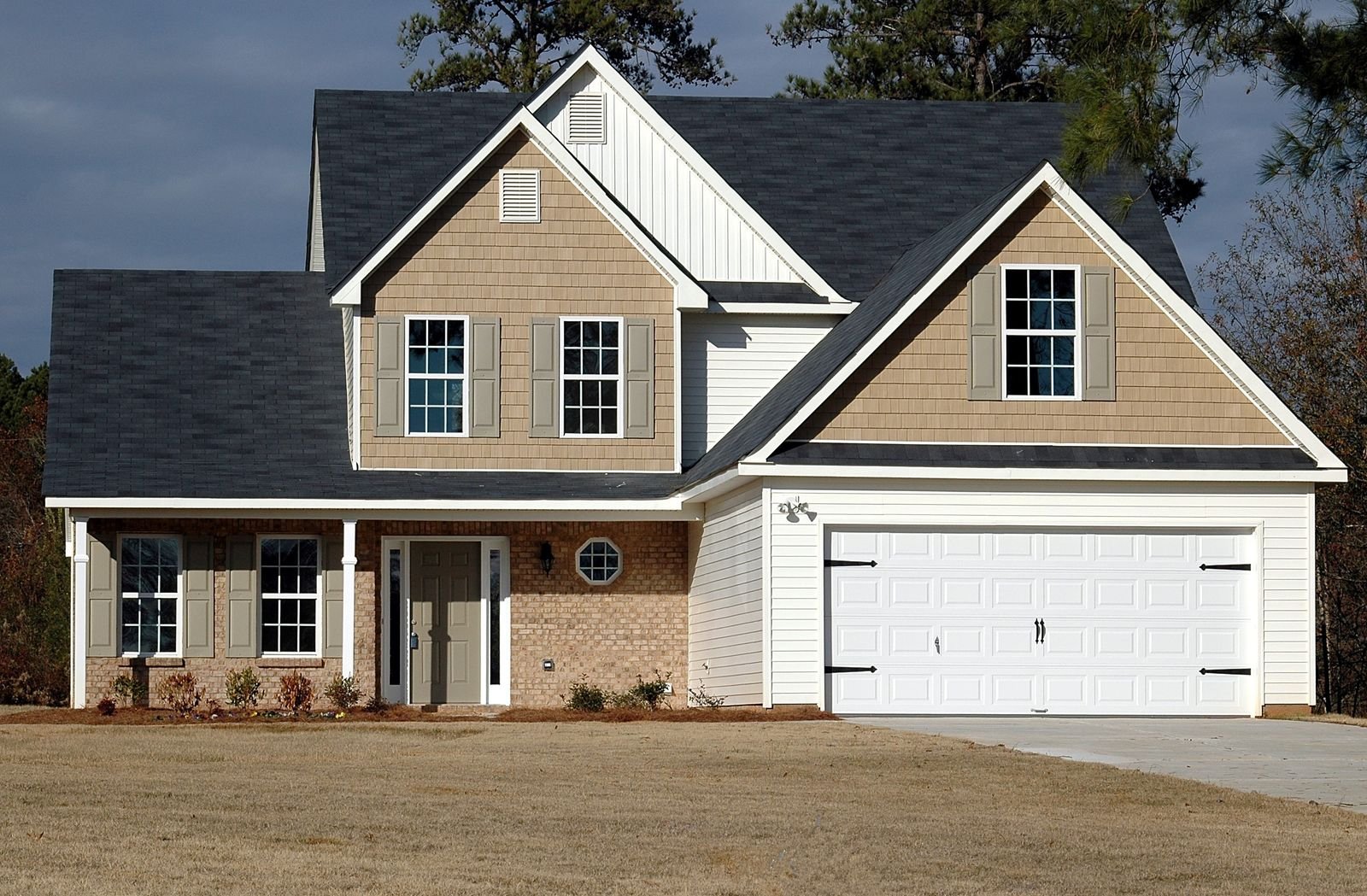
Control the Ground Moisture, Then Remove the Mold
On the creek-adjacent lots in Kelly Creek, mold above the floor is usually a symptom of a wet crawl space below it. We seal and dry the crawl space — vapor barrier, drainage, and ventilation — while HEPA filtration and dehumidification clear and stabilize the living space, so the moisture cause is corrected rather than papered over.
- Crawl space sealed, dried, and ventilated at the source
- HEPA filtration and dehumidification for the living space
- The moisture source corrected, not just the visible stain
One Local Team Across SE Gresham
From the streets around Gradin Community Sports Park to the creek-adjacent lots throughout Kelly Creek, it is the same Gresham-based crew across the whole neighborhood — a short local trip, not a cross-metro drive, with same-day assessments available for urgent water-damage cases. Step up to the Gresham mold removal overview for the citywide picture, or browse all service areas we cover.
Mold removal in Kelly CreekFrequently Asked Questions
Straight answers for the Kelly Creek neighborhood.
Mold in Kelly Creek? Call Now.
Call Gresham Mold Removal at (713) 325-6192. Local inspection, the moisture source found and corrected, an IICRC S520-aligned removal, and a verified-clean result — for homes and rentals across Kelly Creek in SE Gresham, ZIP 97080. Licensed, bonded, and insured.
(713) 325-6192Mold removal in Kelly Creek